
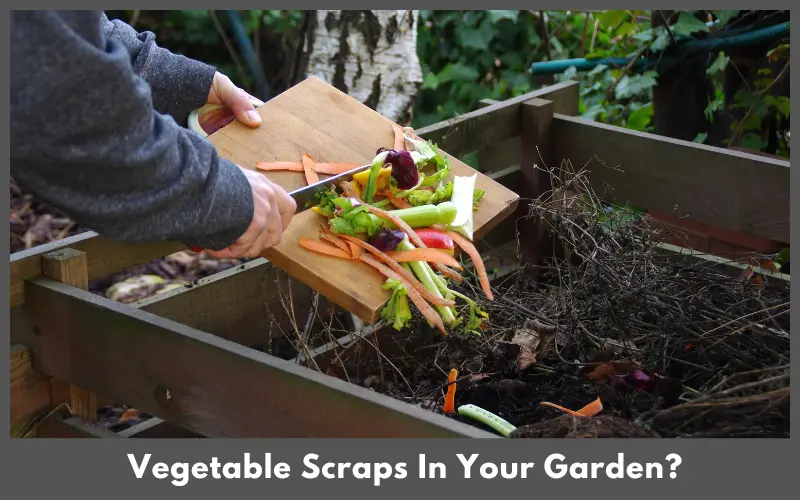
Vegetable scraps can be a good resource for the nutrient requirement of plants in your garden. But can you just throw vegetable scraps in your garden? Though you can directly throw vegetable leftovers in garden, you shouldn’t do so.
It will make a messy appearance in the garden, attract harmful insets, and reduce the benefits of vegetable scraps. So if you improve soil fertility and enhance plant growth by providing a balanced nutrient profile, make compost out of scraps and spread it in the garden.
Table of Contents
Some Benefits Of Using Vegetable Scraps in Your Garden
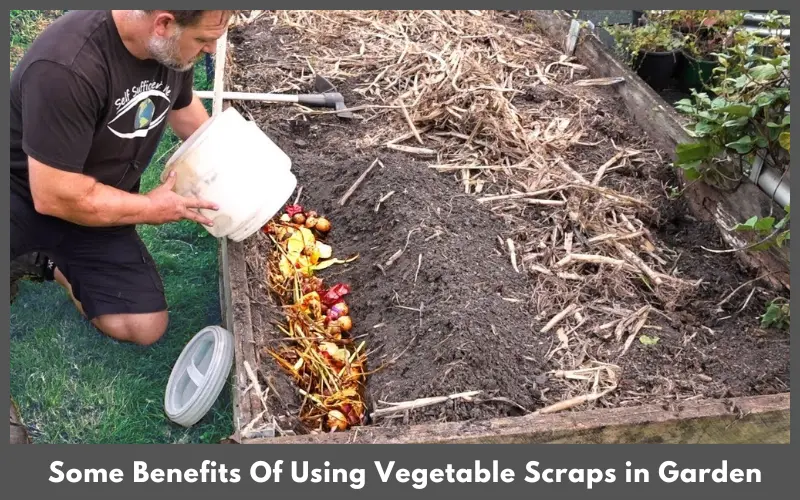
Vegetable scraps can improve the nutrition and health of garden. If you throw vegetable scrap in garden, it will make a closed-cycle system and help transform organic waste into a helpful resource. Below are some other benefits of throwing vegetable scraps in garden:
1. Recycle The Nutrient
Vegetable scraps have plenty of nutrients including potassium, nitrogen, and phosphorus. You can recycle the nutrients of vegetable scraps by adding them to the garden and mixing them with the soil. This way you will provide essential elements to the garden to increase plant growth.
2. Increase Soil Fertility
Vegetable leftovers can help improve soil’s biological matter content of soil. It can improve soil structure and promote water retention. It can also enhance nutrient availability and make the soil healthier and more fertile to support plant growth.
3. Save Gardening Cost
If you use vegetable leftovers in the garden, you won’t need to buy compost or synthetic fertilizer from store. It’ll save you money while keeping the kitchen clean.
4. Reduced Waste
You can keep your land clean of organic waste by throwing vegetable scraps in the garden. This way you can reduce waste production and improve the environment’s sustainability
4. Bacterial Activity
Vegetable leftovers can be used as a food source for helpful bacteria in soil. These bacteria break down organic matter, release nutrients, and create a strong soil ecosystem.
5. Improved Plant Growth
Vegetable scraps in the garden will release nutrients so the plants can use them to get healthy growth and strong roots. These plants can also withstand diseases and pests more effectively.
6. Sustainable Gardening
If you want to get a sustainable garden, you should throw vegetable scraps in it.
Vegetable scraps will help you avoid using chemicals in the garden and promote natural nutrient cycling. It will also help make the garden more ecologically friendly.
7. Improve Soil Health
Vegetable leftovers improve the soil quality with biological matter. If you want to enhance moisture retention, soil structure, and drainage, you should throw vegetable soil in your garden.
8. Add Nutrient
Vegetable scraps have lots of valuable nutrients including potassium, nitrogen, micronutrients, and phosphorus. When vegetable scrap decomposes, it releases nutrients into soil so the plants can take the nutrients easily. This way vegetable scraps can ensure a continuous nutrient supply for plants to improve their growth.
9. Balanced Nutrient Profile
Every vegetable has different nutrient compositions. You can use various mixes of vegetable scraps to get a balanced nutrient profile in garden’s soil. This way you can support strong growth of plants and prevent nutrient shortages in the garden.
10. Improved Plant Energy
You can enhance the plant’s overall health and energy by providing consistent nutrients from vegetable scraps. It can help plants avoid pests, environmental pressures, and diseases.
11. Improve Food Production
If you have eatable crops, you can use vegetable scraps to create a close cycle system in the garden. Your kitchen’s vegetable scraps will be recycled into your garden and help food crops to grow quickly. So you won’t have to depend on external nutrient sources while getting a more independent food growth system.
Also Read: Can You Use Topsoil For a Vegetable Garden?
How To Get The Best Result By Using Vegetable Scraps?
Below are some effective tips to get the maximum benefits by using vegetable scraps in garden:
Composting
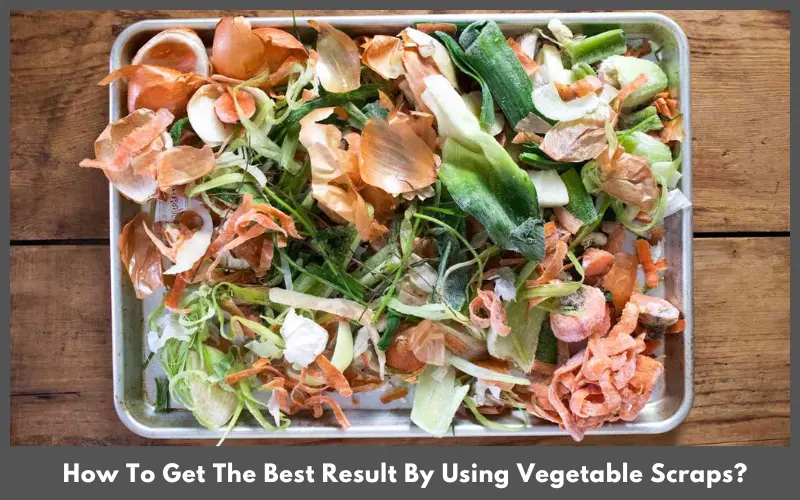
Make compost out of your vegetable scraps to get the maximum benefits in the garden. Composting is a normal procedure that will transform your vegetable scrap into nutrient compost. In this case, you can make a compost pile in a selected area in a garden or utilize a tumbler or compost bin. However, you have to maintain moisture levels, proper ventilation, and proper balance of vegetable scrap to make the composting process successful.
Maintain a Balance between Brown and Green Materials
If you want to make effective composting, you have to maintain balance of brown and green materials. Brown materials, like straw or dry leaves or straw, offer carbon while green materials, such as vegetable scraps, offer nitrogen, Make a mixture using three parts brown material and one part green material. This ratio will help you make the best decomposition environment and prevent odors. You’ll also have a stable nutrient composition.
Chop Scraps
Cut vegetable scraps into smaller pieces and then add them to the compost pile. This practice will increase scrap’s surface area and help ensure quicker decomposition. Small vegetable pieces will also mix more easily and ensure uniform breakdown during composting.
Mixing and Layering
Add a layer of brown materials with a layer of vegetable leftovers or green materials to maintain a well-balanced compost pile. Then alternate the layer to distribute moisture and ventilation properly.
You can also mix compost pile periodically to add oxygen and distribute moisture. This way you can increase decomposition process while preventing the build-up of compacted areas.
Use the Compost
When vegetable scraps decompose completely, throw them in garden. Spread it on garden bed’s top and mix it into the soil. Doing so will improve the soil quality with nutrients and improve the soil structure. It will also help you support the health and production of plants.
Consider Vermicomposting
If you are looking for a faster process, apply the vermicomposting method. In this method, you will need to use worms to molder vegetable scraps. The worms will consume vegetable scraps and provide nutrient-rich casting. You can also apply this method to provide high-grade compost to your garden
Spread Your Scraps
Mix a wide range of vegetable leftovers in your garden or compost to get broadly mixed nutrients. Every vegetable has different nutrients. Mixing a variety of vegetable scraps will help you get a more complete nutrient profile in compost and enrich soil with more essential elements.
Mulch using Compost
You can also use mulch as compost to provide immediate benefits to the garden. In this case, add a compost layer around the plant’s base. Then leave small gap between the stem. It will perform as a protecting mulch and conserve moisture. This practice will also prevent weed growth and maintain moderate soil temperature while slowly releasing nutrients to plants.
FAQs on Can You Just Throw Vegetable Scraps In Your Garden
Is it Beneficial To Directly Use Vegetable Leftovers in The Garden?
If you directly throw vegetable leftovers in garden, it won’t give you many benefits. Instead, the vegetable scraps will remain exposed on soil surface and attract pests. Then it will create messy appearances and take a longer time to decompose. If you want to maximize the benefits of vegetable scraps, make compost out of it. Then spread the nutrient compost in the soil and enhance plant growth.
Why Should You Throw Vegetable Leftovers in Garden?
If you use vegetable leftovers in garden, it will promote nutrient recycling while reducing waste. You’ll also get compost-rich soil to improve fertility and support to grow healthy plants. Even if you want to practice sustainable gardening without using synthetic fertilizer, you should use vegetable leftovers in your garden.
Do Vegetable Leftovers Attract Animals Or Pests if You Use Them in Garden?
If you leave vegetable scraps exposed in garden, it will attract pests or animals. So it can attract raccoons, squirrels, rodents, flies and insects. If you want to keep pests or animals away from garden, compost vegetable scraps in a compost pile or bin. This will also enhance the vegetable scrap’s decomposition.
Final Words
You can just throw vegetable scraps in your garden. But if you want to practice environmentally friendly gardening and improve the growth of plants providing organic nutrients, you shouldn’t do so. Instead, make a nutrient-rich compost out of your vegetable scraps and mix them properly with soil to get the maximum benefits and boost the production of your garden.


